
Serving Naperville, Chicago, Aurora and beyond
Serving Naperville, Chicago, Aurora and beyond

Voids Under Concrete
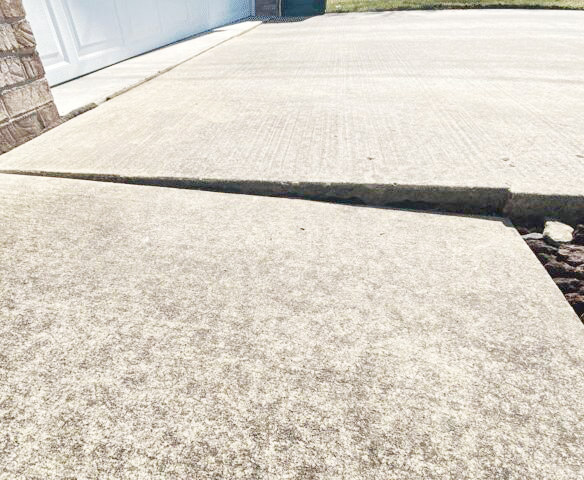
Voids under concrete develop when the soil or other supporting material beneath a slab shifts, settles, or washes away. These empty spaces can leave sections of concrete without the support they need, increasing the risk of settlement, uneven surfaces, and other concrete problems.
Voids can form beneath driveways, sidewalks, patios, pool decks, garage floors, and other concrete slabs. While these spaces are hidden from view, changes in the concrete above can signal a problem beneath the slab.
Chicago Basement Systems provides professional concrete repair throughout Greater Chicago & Northwest Indiana, including Naperville, Chicago, Aurora, and the surrounding communities. We can evaluate your concrete, look for signs of erosion or settlement, and determine whether voids beneath the slab are contributing to the problem.
Concrete slabs rely on stable soil beneath them for support. When that soil moves, settles, or washes away, empty spaces (voids) develop underneath the slab.
Water is the primary driver of soil erosion beneath concrete. Heavy rainfall, poor surface drainage, and misdirected downspouts wash away supporting dirt from under or alongside the slab — often entering through cracks and open joints. Voids can also form from natural soil compaction over time, poorly packed fill drit during initial construction, or freeze-thaw cycles that disrupt the soil base.
Without underlying support, the weight of concrete, anything placed on it, and vehicle or foot traffic will eventually cause the slab to sink, tilt, or crack into the open void.
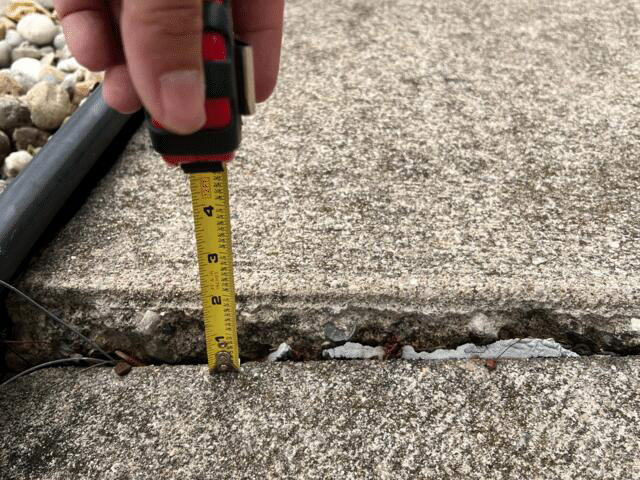
Because voids are hidden beneath the slab, they are not always easy to identify. Changes in the concrete or surrounding area can indicate that the slab may be losing support.
These conditions do not always mean a void is present, but they can indicate changes in the soil or support beneath the concrete. A professional evaluation can help determine what is happening below the surface.
A void is an invisible empty space beneath the concrete, while settlement is the physical sinking that happens when the concrete loses support. A slab can often span a void without immediately sinking, but unsupported concrete will become unstable and eventually drop, tilt, or crack under weight and traffic.
Identifying voids early can help prevent further settlement and damage to the concrete.
Voids can develop beneath many types of residential and commercial concrete. Any concrete slab can be affected when the soil beneath or around it changes.
Areas exposed to heavy runoff or poor drainage may be particularly vulnerable to erosion. However, voids can also develop from soil settlement or inadequate compaction, even when there is no obvious water problem.
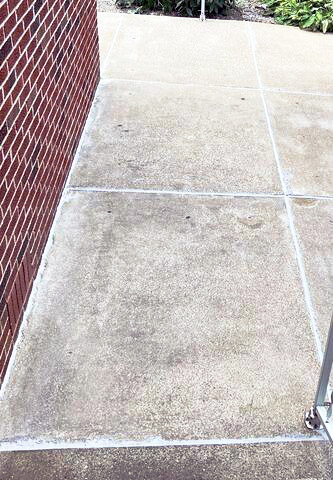
When a slab has lost support but remains in good condition, concrete void filling may be used to address empty spaces beneath the concrete. Filling these areas can help restore support and stabilize the affected slab.
If the concrete has also settled, leveling may be used to carefully raise it toward the appropriate elevation while addressing unsupported areas beneath the slab.
Chicago Basement Systems uses structural polyurethane foam that expands beneath concrete to fill voids and provide support. The right repair depends on the slab's condition, the extent of the void, and what caused the supporting material to move or erode.
Problems beneath concrete aren't always visible from the surface. At Chicago Basement Systems, we evaluate the slab's condition and look for signs of settlement, erosion, and drainage problems. This helps us determine what may be happening beneath the concrete.
If voids are present, we can determine whether concrete void filling, stabilization, or leveling is appropriate for the affected area.
The goal is to restore support beneath the concrete and address the conditions contributing to the problem.
Possible signs include sunken or uneven concrete, visible gaps beneath slab edges, soil washout, cracking, uneven joints, or changes in the slope of the surface. Because the space beneath the concrete is hidden, a professional evaluation can help determine whether a void is present.
Yes. Soil erosion can remove material that supports the slab. As support is lost, sections of concrete may begin to settle or become uneven.
Water can contribute to void formation by washing away supporting soil beneath or around the slab. Runoff, poor drainage, downspouts, heavy rainfall, and water entering through cracks or joints can all contribute to erosion.
In many cases, yes. If the concrete remains in good condition, we can use structural polyurethane foam to fill voids and restore support beneath the slab. If settlement has also occurred, the repair may include leveling the concrete.
Concrete void filling is the process of filling empty spaces beneath a slab to restore support. Chicago Basement Systems uses structural polyurethane foam that expands beneath the concrete to fill these areas and stabilize the slab.
Voids and soil erosion beneath concrete can lead to settlement, uneven surfaces, and other problems over time. Chicago Basement Systems helps identify problems beneath concrete slabs for home and business owners throughout Greater Chicago & Northwest Indiana, including Chicago, Naperville, Aurora, Mokena, Shorewood, Bolingbrook, Kankakee, Joliet, Cedar Lake, Crown Point, and nearby.
We'll evaluate the affected concrete, look for signs of voids, erosion, and settlement, and determine whether concrete void filling, stabilization, or leveling is appropriate for your property. Schedule your free estimate today.
Looking for a price? Get a no cost, no obligation free estimate.
our service area