
Serving Naperville, Chicago, Aurora and beyond
Serving Naperville, Chicago, Aurora and beyond

Cracked Concrete
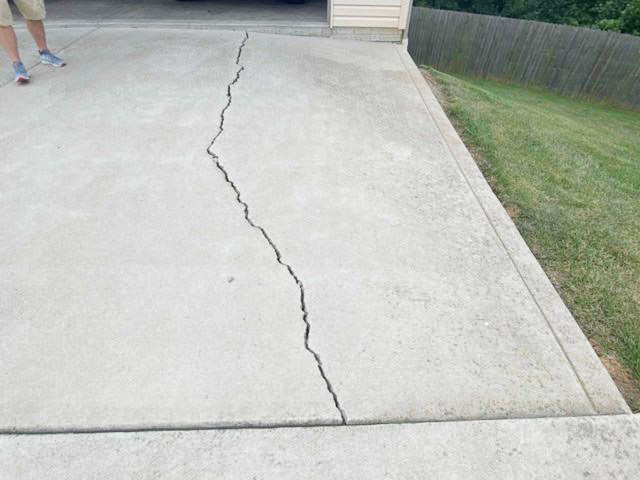
Cracks in concrete can make driveways, sidewalks, patios, and other slabs look worn and neglected while allowing water to enter openings in the surface. Some cracks may also develop raised edges that create trip hazards. Chicago Basement Systems offers professional cracked concrete repair and concrete leveling throughout Greater Chicago & Northwest Indiana to help restore damaged concrete around your property.
Our concrete repair process begins by evaluating the condition of the slab, the type of cracking, and whether settlement or voids beneath the concrete are contributing to the damage. Contact Chicago Basement Systems today to schedule a free, no-obligation estimate for cracked concrete repair in Naperville, Chicago, Aurora and nearby.
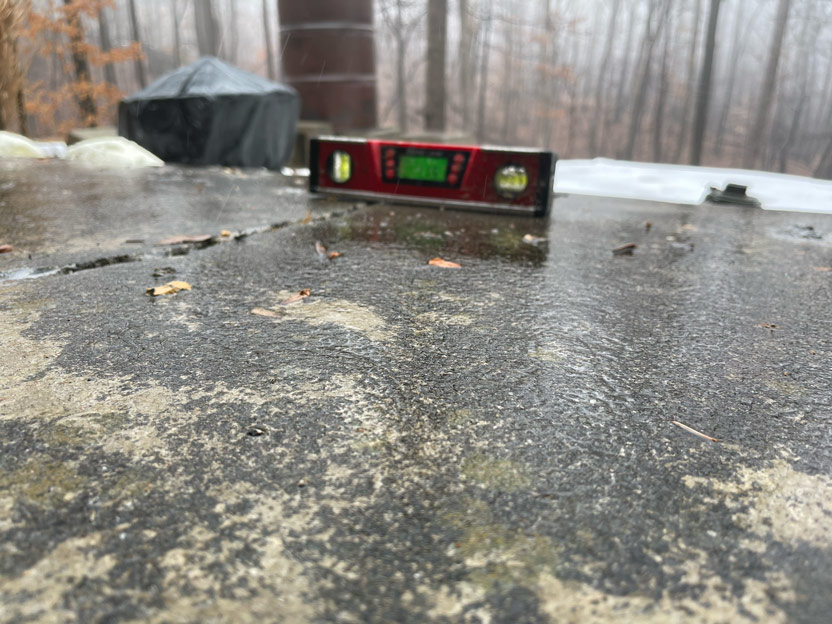
Concrete is strong and durable, but it is not immune to shifting. Soil beneath a slab can settle, wash away, or develop voids over time. When sections of concrete lose support or move at different rates, stress can develop within the slab and contribute to cracking.
Weather and moisture can also affect concrete. Repeated freezing and thawing can place additional stress on slabs, while water entering cracks may expose the concrete to continued moisture. Poor drainage, soil erosion, and improperly compacted fill can also contribute to movement beneath concrete surfaces.
Because a visible crack may be only one sign of a larger concrete problem, Chicago Basement Systems evaluates the slab and surrounding conditions before recommending cracked concrete repair.
Concrete can crack for many reasons, and the appropriate repair depends on both the condition of the slab and what caused the damage. Cracks in otherwise usable concrete may be repairable, while concrete that has settled may also need to be leveled to address uneven surfaces and restore support beneath the slab.
A professional inspection can determine the condition of the concrete, identify signs of settlement, and recommend an appropriate repair based on the type and extent of damage.
Cracking and settlement can sometimes occur together. When the soil beneath a slab can no longer provide consistent support, one section of concrete may sink while another remains at its original elevation. The resulting movement can leave cracks, uneven joints, low spots, and raised edges across the concrete surface.
When settlement is contributing to the problem, concrete leveling may be used to lift and stabilize the affected slab. Correcting the elevation can create smoother transitions between adjoining sections and provide support beneath areas where voids have developed.
Chicago Basement Systems begins cracked concrete repair by evaluating the damage and determining whether the slab has also settled. The repair approach will depend on the condition of the concrete, the type of cracking, and the stability of the soil beneath the slab.
Repairing cracked concrete rather than immediately replacing the slab can reduce demolition and disruption when the existing concrete remains in usable condition. Your specialist will explain the recommended repair approach based on the condition of your concrete.
Explore Our Concrete Repair Solutions
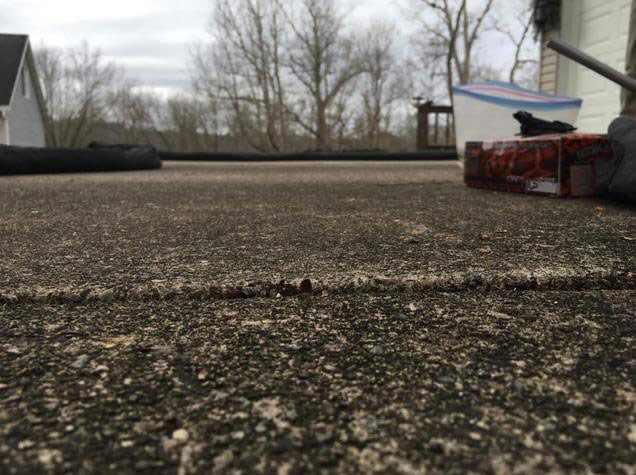
Replacing a concrete slab requires breaking apart and removing the existing concrete, preparing the base, pouring new concrete, and waiting for the replacement slab to cure. If concrete is severely deteriorated, extensively crumbled, or fractured into many unstable pieces, replacement may be necessary.
However, cracks do not automatically mean an entire slab needs to be replaced. When the existing concrete remains in serviceable condition, repairing cracks and addressing related settlement may help preserve the slab without the disruption of complete concrete replacement.
In many cases, yes. Cracks in concrete that remains largely intact may be repairable. The appropriate solution depends on the type and extent of cracking, the condition of the slab, and whether settlement or other movement has contributed to the damage. A professional inspection can determine whether repair or replacement is appropriate.
Concrete can crack for several reasons, including soil settlement, movement beneath the slab, freeze-thaw cycles, erosion, poor drainage, and changes in support beneath the concrete. An inspection can help identify conditions that may be contributing to the cracking.
It may be possible to repair concrete that is both cracked and settled if the slab remains in decent condition. Structural polyurethane foam can be placed beneath settled sections to fill voids, provide support, and carefully lift the concrete. Cracks can then be addressed as part of the overall concrete repair process.
No. A crack does not necessarily mean the entire slab has failed. Concrete that remains largely intact may be a candidate for repair, particularly when the damage is limited and the slab can still be stabilized. Severely deteriorated or extensively fractured concrete may require replacement.
Concrete that is extensively crumbled, badly fractured into many pieces, or otherwise structurally unsound may require replacement. Chicago Basement Systems can inspect the slab, evaluate the extent of cracking and settlement, and explain whether cracked concrete repair or full replacement makes the most sense.
Don’t assume cracked concrete has to be torn out and replaced. Chicago Basement Systems provides professional cracked concrete repair and concrete leveling throughout Greater Chicago & Northwest Indiana. Our specialists can evaluate the cracks, identify settlement or voids beneath the slab, and recommend a repair plan based on the condition of your concrete and property.
Call 1-833-725-8400 or contact us online today to schedule a free, no-obligation estimate for cracked concrete repair in Naperville, Chicago, Aurora and nearby.
Looking for a price? Get a no cost, no obligation free estimate.
our service area